

Modern environments are no longer designed solely for visual appeal. The role of sound in shaping how people experience a space has become just as critical. Poor acoustic planning can lead to stress, fatigue, distraction, and reduced productivity, while well-designed sound environments improve comfort, focus, and communication. At the heart of this planning is the concept of sound spaces—areas defined and shaped by how sound travels, reflects, and is perceived within physical environments. Techniques like directional audio are often used to control and focus sound, ensuring it reaches intended listeners without disturbing others, enhancing both clarity and overall experience.
What Sound Spaces Are
Sound spaces refer to areas in which the behavior of sound is intentionally or naturally controlled to influence the way people interact with their surroundings. They may be open or enclosed, quiet or active, but in all cases, they impact perception and comfort. These spaces are not just the result of speaker placement—they are created through careful design of room geometry, surface materials, furnishings, and acoustic treatments. The goal is to ensure that sound serves the environment rather than disrupts it.
Types of Sound Spaces
There are several categories of sound spaces, each requiring specific acoustic strategies:
- Open sound spaces: Areas like shopping malls or airports where sound travels freely but must be managed to avoid overwhelming visitors.
- Controlled sound spaces: Offices or meeting rooms that require precise audio control for communication and productivity.
- Quiet sound spaces: Libraries, study rooms, or healthcare facilities where low noise levels are essential.
- Interactive sound spaces: Museums, galleries, or exhibition halls where audio enhances engagement without disturbing other areas.
Understanding the type of sound space is crucial for effective design. Each type requires a tailored approach to materials, layout, and audio systems.
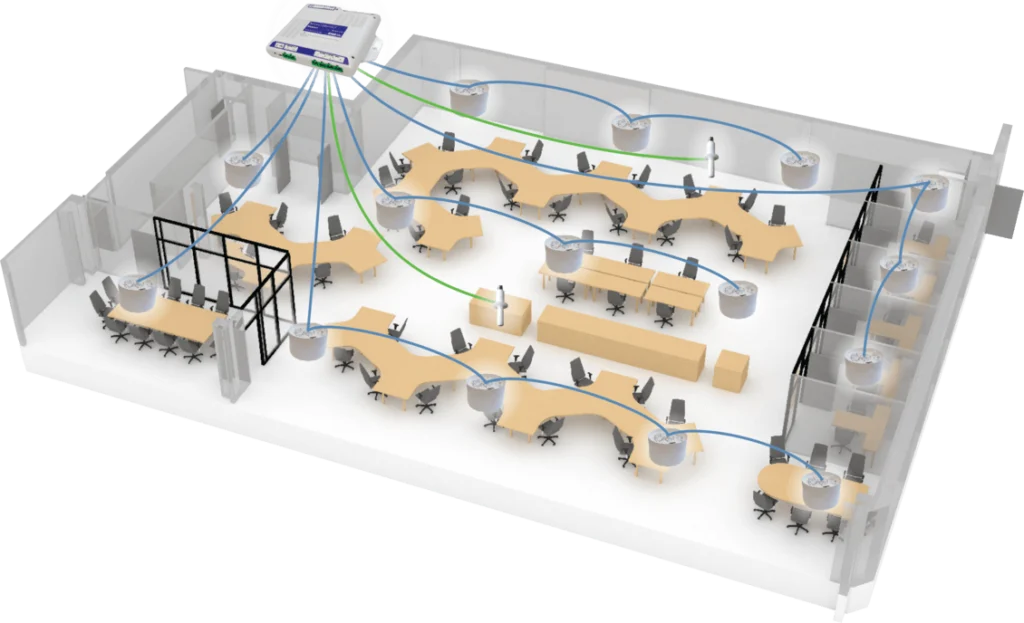
Importance of Sound Spaces
Well-designed sound spaces significantly influence human behavior. In workplaces, they improve concentration and productivity. In public environments, they reduce stress and create a comfortable atmosphere for visitors. Poorly designed sound spaces, on the other hand, lead to auditory fatigue, miscommunication, and general discomfort. Beyond comfort, sound spaces also enhance comprehension and clarity of communication, making them critical in classrooms, offices, and interactive environments like museums.
Design Elements That Shape Sound Spaces
Several factors play a role in creating effective sound spaces:
- Room size and layout: Larger spaces may require more focused audio control to prevent echoes, while smaller rooms need careful reflection management.
- Wall and ceiling materials: Hard surfaces reflect sound, while soft or textured surfaces absorb it, influencing overall acoustics.
- Furniture placement: Strategic positioning of desks, partitions, and seating can guide sound flow and reduce interference.
- Speaker positioning: Proper placement ensures audio reaches the intended audience without causing overlap.
- Sound-absorbing surfaces: Acoustic panels, carpets, and curtains help control reverberation and background noise.
The combination of these elements determines whether a sound space feels comfortable and functional or chaotic and stressful.
Sound Spaces in Public Areas
Public environments, including malls, airports, and transit hubs, benefit from carefully designed sound spaces. Excessive noise can create stress and confusion, while too little sound can leave people unsure of directions or information. Proper sound space design guides movement and attention without overwhelming individuals, creating an intuitive and pleasant experience.
Sound Spaces in Work Environments
Offices and collaborative workspaces also rely on clearly defined sound spaces. Quiet zones allow employees to focus on individual tasks, while collaborative zones support discussion and teamwork. By separating audio environments, productivity increases, and interruptions decrease. Techniques like sound masking are often used in these settings to further reduce distractions and enhance concentration, complementing the overall sound space design.
Future Trends in Sound Spaces
Urban planning and modern architecture increasingly incorporate sound spaces as a core consideration. Smart buildings integrate adaptive audio systems, using technology to modify sound environments in real time. Designers are now prioritizing acoustic comfort and interaction, ensuring that sound spaces are not only functional but also enhance the overall user experience. As our environments become more complex, the ability to control and shape sound will remain central to architectural and interior design strategies.
FAQs
What are sound spaces used for?
They help manage sound behavior, enhance clarity, and improve comfort in various environments.
Do sound spaces affect productivity?
Yes. Well-designed sound spaces reduce distractions and enhance focus.
Can sound spaces be adjusted?
Yes. Materials, room layout, speaker placement, and modern technology allow for flexible sound space management.