
Directional speakers play a crucial role in shaping how people perceive and experience spaces. Whether it is a bustling public area, a quiet office, a classroom, or a cultural venue, these speakers can greatly influence comfort, concentration, and overall experience. In public spaces, for instance, excessive noise can create stress, confusion, or even reduce productivity, while in educational settings, unclear audio can hinder learning. As cities and buildings grow busier, managing sound effectively has become more important than ever. People no longer just want louder audio—they want clear, focused, and controlled sound. Directional sounds provide a solution by delivering audio precisely where it is needed, enhancing the environment without disturbing surrounding areas.
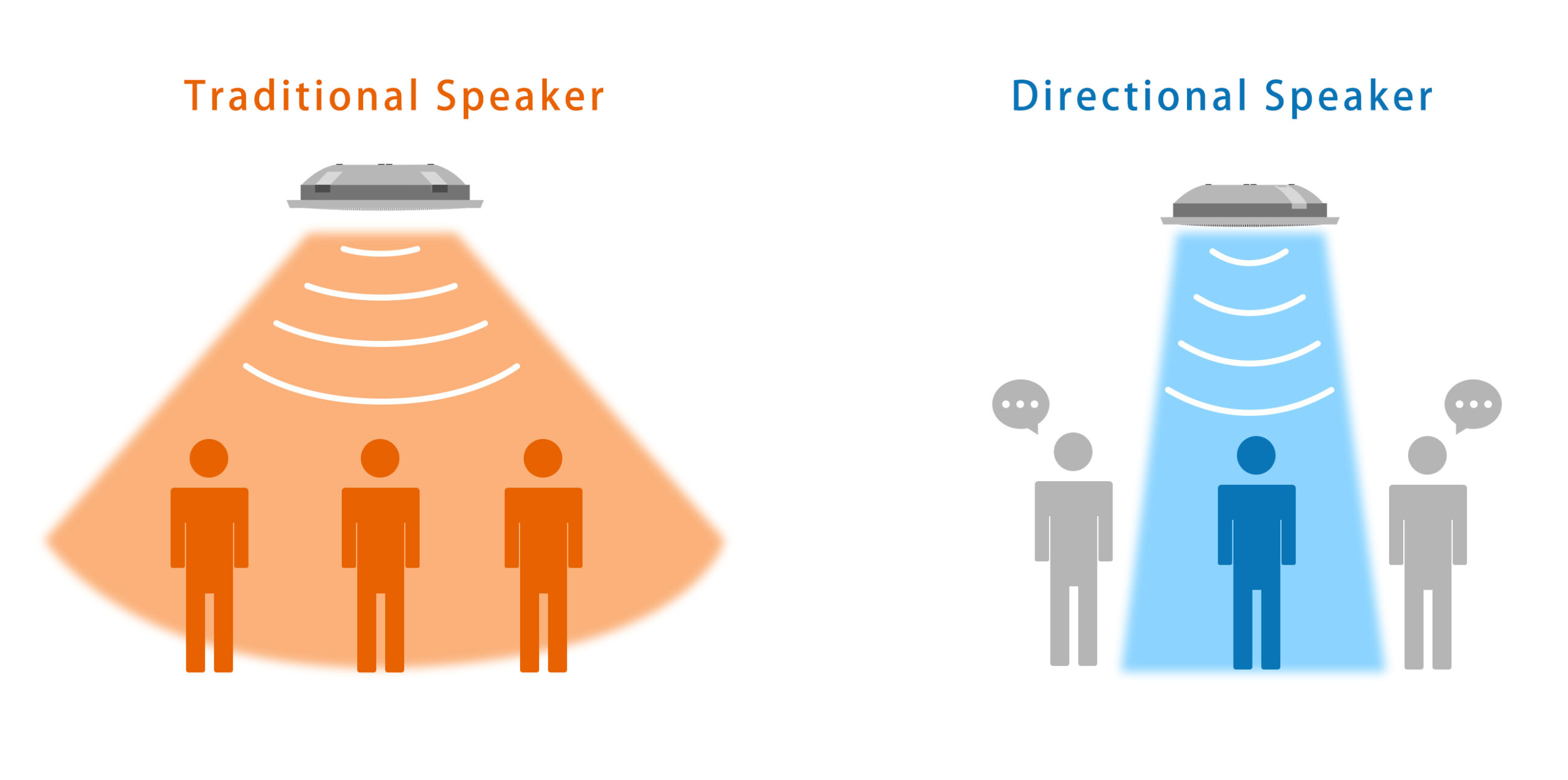
Traditional speakers, which spread sound in all directions, often fail to meet these demands. They can create overlapping audio zones, unnecessary noise pollution, and uneven listening experiences, especially in areas where multiple audio sources operate simultaneously. This is where directional speakers come into play. Directional speakers are designed to project sound in a narrow, focused beam, delivering audio only to the intended area. This means people outside the target zone hear little to no sound, while those within the zone experience clear, crisp audio. Such precise sound delivery is especially valuable in shared spaces, where minimizing disturbance is as important as maximizing clarity.
The concept of directional sound is not just about focusing audio; it also improves the quality of listening by reducing reflections, echoes, and overlapping noise. In spaces like museums, airports, offices, and retail stores, directional speakers make it possible to create multiple audio zones without interference. Visitors can hear exhibit narration at a museum, shoppers can listen to product information in a store, and employees can focus on work in an office without being disturbed by background chatter. This level of control over sound creates a more pleasant and efficient environment for everyone involved.
What Directional Speakers Are
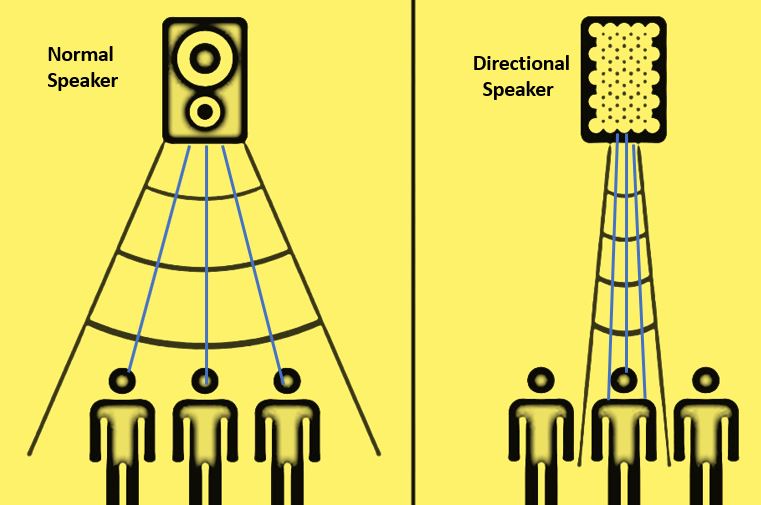
Directional speakers are audio devices designed to project sound in a narrow beam. Unlike traditional speakers that spread sound in all directions, these speakers focus audio toward a specific listening zone. People outside that zone hear little or no sound, while those inside hear clear audio.
This focused sound delivery helps reduce noise pollution and improves listening experiences in shared spaces.
How Directional Speakers Work
Directional speakers are based on planar or line source technology which controls the way sound propagates through the air. It also changes how the sound level drops over distances. Directional sound systems have the ability to maintain almost constant sound levels over great distances compared to conventional speakers.
Key Benefits of Directional Speakers
Directional speakers offer several advantages in modern environments:
- Improved sound clarity
- Better privacy for audio content
- Multiple audio zones in one space
- Less sound reflection from walls
These benefits make them suitable for many controlled settings.
Common Applications
Directional speakers are widely used in different industries:
- Museums and galleries for exhibit narration
- Retail stores for product information
- Libraries for silent guidance systems
- Airports and stations for information kiosks
- Offices for focused work areas
Each use case benefits from targeted sound delivery.
Limitations to Consider
Directional speakers require proper placement. Incorrect angles reduce effectiveness. They work best at short to medium distances.
They are not suitable for large crowd audio. Costs can also be higher compared to traditional speakers.
Future of Directional Audio
As smart buildings and interactive spaces grow, audio control becomes essential. Designers now prioritize precision over volume.
In the center of future sound system planning, directional speakers will continue to influence how audio is delivered in shared environments.
FAQs
What makes directional speakers different from normal speakers?
They focus sound instead of spreading it.
Are directional speakers loud?
They are clear, not loud. Sound is localized.
Where are directional speakers most useful?
In quiet or shared spaces that need sound control.