
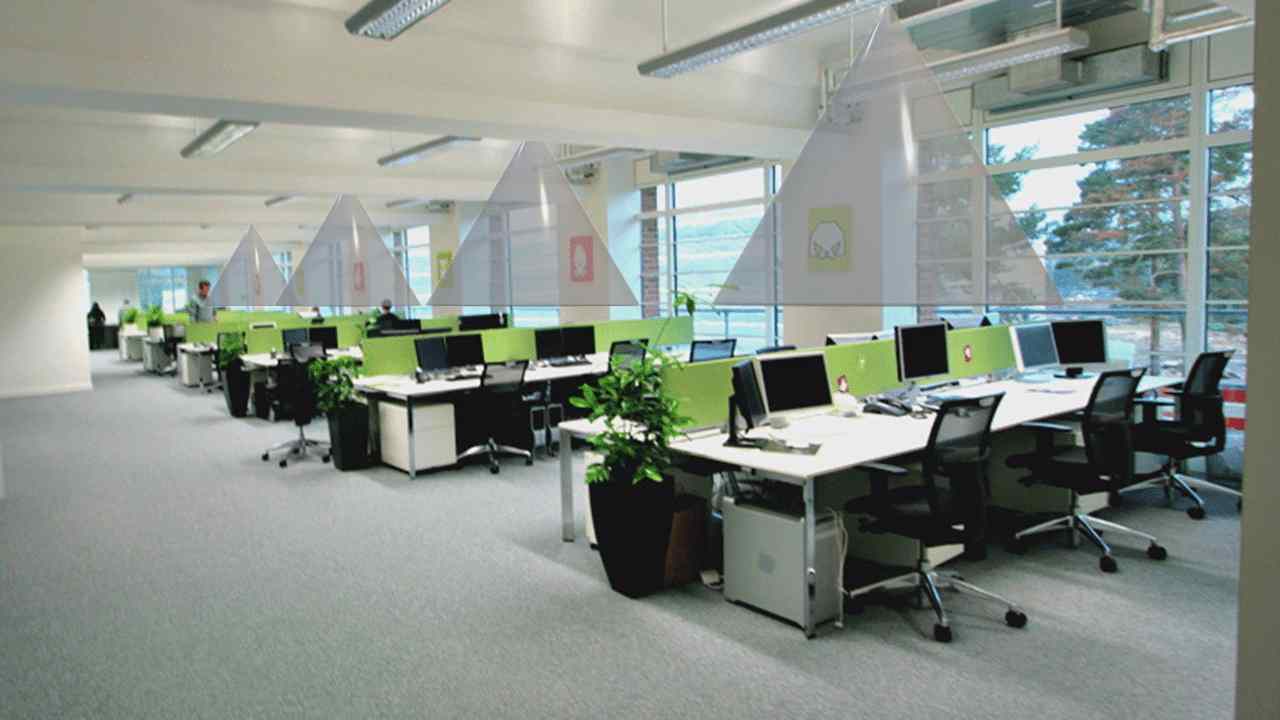
In today’s built environments, audio is no longer something left to chance. From offices and retail stores to healthcare and education spaces, sound planning plays a critical role in shaping how people experience a space. Good acoustic design can improve communication, reduce stress, and enhance overall comfort, while poor planning can create confusion and noise problems.
Sound planning is the process of designing how sound behaves within a space. It involves controlling noise levels, improving clarity, and ensuring that audio is delivered effectively where it is needed.
What is sound planning?
Sound planning refers to the strategic design and management of acoustics in a built environment. It includes analyzing how sound travels, where it reflects, and how it is absorbed.
The goal is to create a balanced acoustic environment where important sounds are clear and unwanted noise is minimized. This is achieved through a combination of architectural design, material selection, and audio system placement.
Unlike simple speaker installation, sound planning looks at the entire space as a system. Every surface, object, and layout decision can influence how sound behaves.
Why sound planning is important in modern spaces
Poor acoustic design can negatively impact productivity, comfort, and communication. In offices, excessive noise can reduce concentration, which is why Office Sound Masking systems are often used to create a quieter and more focused work environment. In retail environments, unclear announcements can affect customer experience. In public spaces, uncontrolled sound can create chaos and discomfort.
Proper planning ensures that sound supports the purpose of the environment instead of working against it. For example, in hospitals, it helps maintain calm and privacy. In classrooms, it improves learning by making speech clearer and easier to understand.
Good sound design also reduces the need for excessive volume, which helps prevent noise fatigue in busy environments.
Key elements of effective sound planning
Effective acoustic design involves several important factors:
- Space analysis: Understanding the size, shape, and purpose of the environment
- Material selection: Using surfaces that absorb or reflect sound appropriately
- Speaker placement: Positioning audio sources for balanced coverage
- Noise control: Reducing external and internal sound interference
- Zoning: Dividing spaces into different acoustic areas for better control
Each of these elements works together to create a controlled and comfortable sound environment.
How sound planning improves user experience
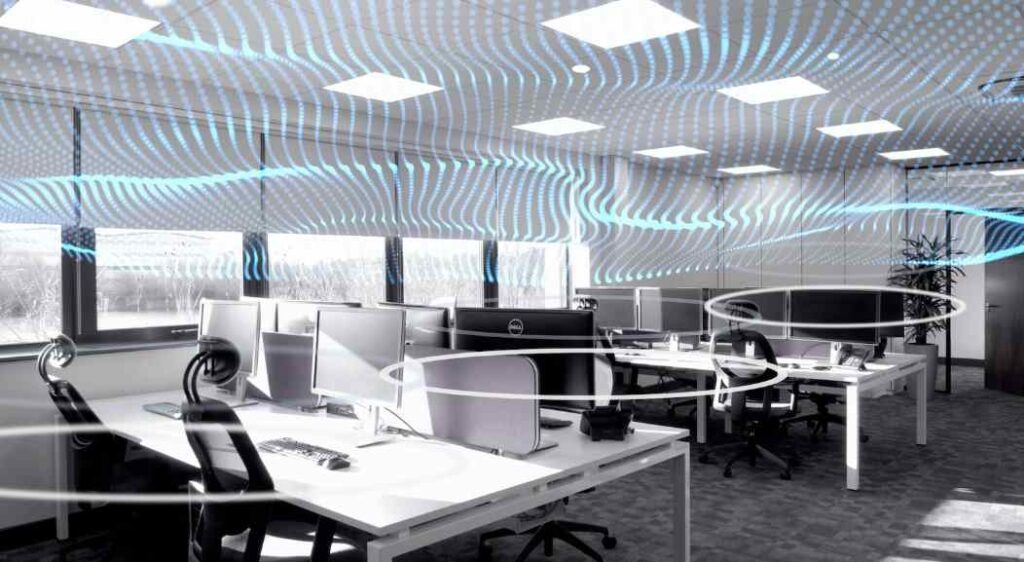
A well-planned acoustic environment directly improves how people feel and interact within a space. Clear audio makes communication easier, while reduced noise levels create a more relaxed atmosphere.
In retail spaces, customers are more likely to engage with products when announcements and background audio are well-balanced. In offices, employees can focus better when distractions are minimized. In public venues, visitors can navigate and understand information more easily.
Sound planning also helps avoid common issues like echo, feedback, and overlapping audio zones, which can make environments feel chaotic.
Applications of sound planning
Sound planning is used across a wide range of industries, including:
- Corporate offices for improved communication and focus
- Retail stores for better customer engagement and announcements
- Educational institutions for clearer speech and learning environments
- Healthcare facilities for privacy and calm atmospheres
- Hospitality venues for balanced background audio and comfort
Each of these environments requires a different acoustic strategy based on its purpose and user behavior.
The role of technology in sound planning
Modern sound planning often includes advanced audio technologies such as digital sound processing, acoustic modeling software, and directional speaker systems.
These tools allow designers to simulate how sound will behave before installation. This reduces errors and ensures more accurate results.
Smart systems can also adjust sound levels automatically based on environmental conditions, helping maintain consistent audio quality throughout the day.
Challenges in acoustic design
One of the biggest challenges in sound planning is dealing with unpredictable environments. Open-plan spaces, glass surfaces, and high ceilings can all create acoustic problems such as echoes and sound distortion.
Another challenge is balancing aesthetics with functionality. Acoustic treatments and speaker systems must blend into the design of a space without compromising performance.
This is why professional planning is often necessary for complex environments.
Future of sound planning
As buildings become smarter, sound planning is evolving alongside them. Integration with AI and IoT systems will allow real-time acoustic adjustments based on occupancy, noise levels, and user behavior.
This will lead to more adaptive environments where sound automatically adjusts to provide the best possible experience.
Conclusion
Sound planning is a critical part of modern acoustic design. It ensures that audio is clear, controlled, and appropriate for the environment it serves.
From offices and retail spaces to healthcare and education, well-designed sound systems improve communication, comfort, and overall user experience. As technology advances, sound planning will become even more precise and intelligent, shaping the future of how we experience sound.
FAQs
1. What is sound planning?
Sound planning is the process of designing how sound behaves in a space to improve clarity and reduce unwanted noise.
2. Why is sound planning important?
It improves communication, reduces noise pollution, and enhances comfort in different environments.
3. Where is sound planning used?
It is used in offices, retail stores, hospitals, schools, and public venues.
4. What are the main elements of sound planning?
Key elements include space analysis, material selection, speaker placement, noise control, and zoning.
5. Does technology help in sound planning?
Yes, modern tools like acoustic modeling and digital sound systems help design more accurate and efficient sound environments.